
Kitchen Tips
Which Cooking Oil Should You Use? A Simple Guide
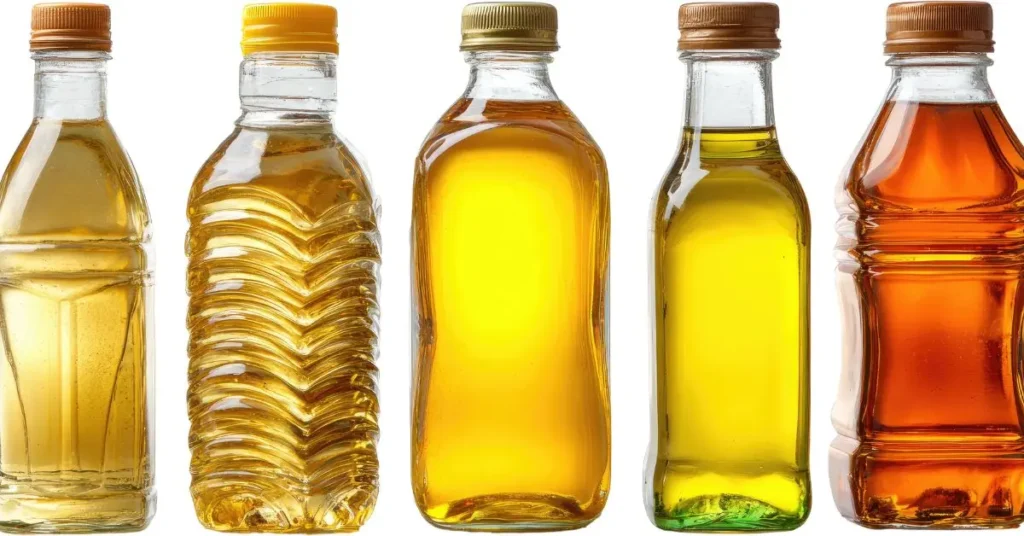
The Oils Most Home Cooks Use
When you walk down the oil aisle at the grocery store, it can feel a little overwhelming. There are shelves of vegetable oils, olive oils, and all kinds of bottles that promise to be the “best” choice.
Most of us don’t spend a lot of time thinking about it though. We usually reach for what we grew up seeing in the kitchen. For me, that was shortening. My mom used it for a lot of cooking, so that’s what I used too for years.
But things have changed. There are a lot more options now, and each oil behaves a little differently depending on what you’re cooking.
Some oils handle high heat better. Some bring flavor to a dish. Others are great when you just want a neutral oil that lets the food shine.
Once you understand the basics, choosing the right oil becomes a lot easier.
Cooking with Oils: Choosing the Best One
Not all oils are created equal when it comes to cooking. The right oil depends on the heat, flavor, and method you’re using. Here’s a quick guide to help you make the best choice every time.
► Know the Smoke Point – Oils have a temperature at which they start to smoke and break down. Use high smoke point oils like avocado, peanut, or corn oil for frying and roasting. Lower smoke point oils, like extra virgin olive oil or butter, are better for gentle sautéing or finishing dishes.
► Consider Flavor – Some oils have strong flavors (sesame, coconut, walnut), while others are neutral (canola, grapeseed, corn). Choose an oil that complements your dish rather than competes with it.
► Match Oil to Method – Frying, searing, roasting, sautéing, or baking all benefit from different oils. High heat? Pick a stable, neutral oil. Low heat or finishing? Go with flavorful oils to elevate the dish.
► Health Considerations – Some oils have more saturated fat (coconut, butter), others have more heart-healthy unsaturated fats (olive, avocado, canola). Keep this in mind when picking oils for everyday cooking.
Common Oils for Cooking
Quick reference for flavor, smoke point, and best uses in the kitchen.
| Oil | Flavor | Smoke Point | Best Uses |
|---|---|---|---|
| Olive Oil (Extra Virgin) | Fruity, peppery | Low-Medium | Dressings, finishing, light sautéing, roasted veggies |
| Canola Oil | Neutral | Medium-High | Frying, roasting, baking |
| Corn Oil | Light, slightly sweet | High | Frying, roasting, searing |
| Peanut Oil | Mild, nutty | High | Stir-frying, deep-frying, Asian dishes |
| Avocado Oil | Subtle, buttery | Very High | Roasting, searing, high-heat cooking |
| Coconut Oil | Tropical, sweet | Medium | Baking, medium-heat sautéing |
| Butter / Ghee | Butter: rich; Ghee: nutty | Butter: Low-Med; Ghee: High | Sautéing, roasting, sauces, finishing dishes |
Little-Known Oils You Might Not Know
These oils aren’t always on the shelves at your local grocery, but they can bring unique flavors and cooking possibilities to your kitchen.
► Cottonseed Oil – Neutral flavor, high smoke point. Often used in deep-frying and commercial baking. Great if you want something stable for high-heat cooking. ► Rapeseed Oil – Mild, slightly nutty; medium-high smoke point. Perfect for roasting, sautéing, or making emulsified dressings. (Yes, canola oil is a type of rapeseed oil.) ► Sesame Oil – Strong, nutty, and aromatic; low-medium smoke point. Ideal for drizzling over stir-fries, Asian-inspired dishes, or finishing grains. Not for high-heat frying, but adds punchy flavor. ► Palm Oil – Mild, slightly earthy; medium-high smoke point. Often used in African and Southeast Asian cooking, great for frying or baking where you want a stable oil. ► Specialty Nut & Seed Oils – Walnut, pumpkin seed, or hazelnut oils. Strong, distinctive flavors; low-medium smoke point. Best for drizzling over roasted veggies, salads, or finishing grains. Not for high-heat cooking, but a little goes a long way in flavor.A Nod to Lard and Shortening
Since I grew up using these in my own kitchen, I thought I should include them. Lard and vegetable shortening aren’t just old-school ingredients, they’re still useful today for frying, baking, and adding structure or richness to your dishes. They bring texture, stability, and sometimes a little nostalgia to the table.
-
Lard
-
Flavor: Rich, savory, slightly porky
-
Best Uses: Frying, roasting, making flaky pie crusts, biscuits, and pastries
-
Benefits: High smoke point for frying, adds incredible flakiness and moisture to baked goods, brings depth of flavor to savory dishes
-
-
Vegetable Shortening
-
Flavor: Neutral, almost no flavor
-
Best Uses: Baking (cookies, pie crusts, biscuits), frying when neutral flavor is desired
-
Benefits: High smoke point, provides structure and texture in baked goods, doesn’t impart flavor, very stable for high-heat applications
-
A Quick Note on Nutrition
While cooking oils and fats are essential for flavor, texture, and heat, it’s also good to be aware of their nutritional profiles. Most oils are high in calories, but the type of fat matters:
-
Unsaturated oils (olive, canola, avocado, peanut) are generally heart-healthier and can support cholesterol balance when used in moderation.
-
Saturated fats (coconut oil, lard, palm) add richness and structure, but are best used thoughtfully alongside a balanced diet.
-
Trans fats (found in some processed shortenings) should be avoided when possible—look for non-hydrogenated versions.
The key is moderation and purpose—use the right fat for the right job, and enjoy the flavors they bring to your cooking without overdoing it.
Frequently Asked Questions About Cooking Oils
Here are some common questions about choosing and using oils in your kitchen.
Q: Which oil is best for high-heat cooking?
A: Oils with a high smoke point like avocado, peanut, corn, or canola are best for frying, searing, or roasting at high temperatures.
Q: Can I use olive oil for everything?
A: Extra virgin olive oil is great for dressings, finishing, and light sautéing, but it has a lower smoke point, so it’s not ideal for high-heat frying or roasting.
Q: Are lard and shortening still good to use?
A: Absolutely! Lard adds rich flavor to savory dishes and pastries, while vegetable shortening is great for baked goods when you need structure and texture.
Q: What about specialty oils like sesame or walnut?
A: These oils are usually low-heat and best used as finishing oils to add flavor to stir-fries, salads, or roasted vegetables.
Q: Which oil is best for frying chicken?
A: Oils with a high smoke point and neutral flavor work best. Peanut, canola, corn, or vegetable oil blends are perfect. Avoid low-smoke-point oils like extra virgin olive oil or nut oils, as they can burn and taste bitter.
Choosing the Right Cooking Oils
Oils and fats can feel overwhelming at first, but knowing their flavors, smoke points, and best uses takes a lot of the guesswork out of cooking. From everyday olive or canola oil to little-known gems like sesame or palm, and even classic lard and shortening, each fat has its place in the kitchen. Pick the right one for the job, and you’ll notice a difference in flavor, texture, and how your dishes come together.
If you liked this guide, check out some of my other kitchen tips for avoiding mushy veggies, seasoning like a pro, and choosing the best spices. A few small tweaks in the kitchen can make a big difference, and I love sharing the tricks that keep me cooking with confidence.
