
Kitchen Tips
How to Avoid Burning Garlic (Simple Kitchen Tip That Actually Works)
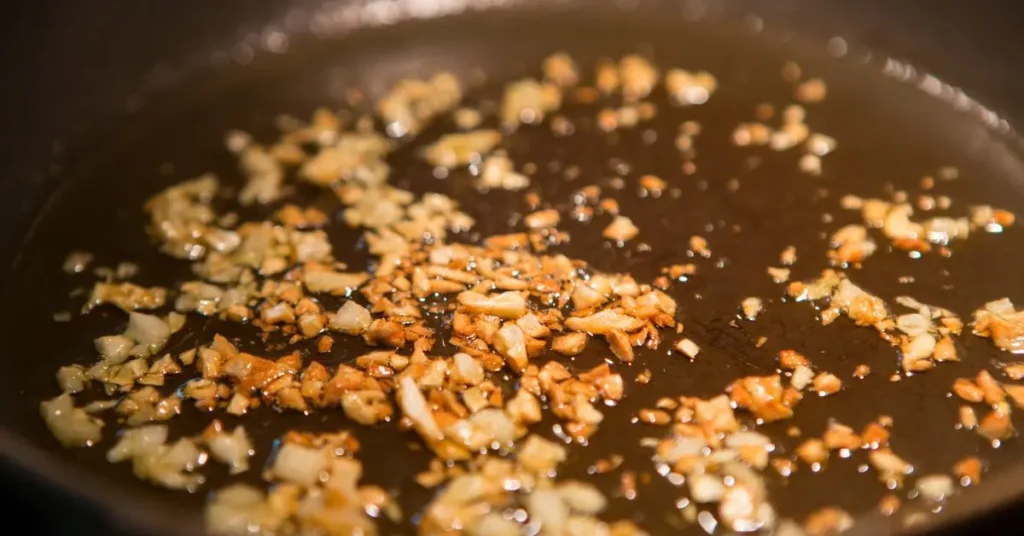
Why Garlic Burns So Easily
Burning garlic can ruin a whole dish in seconds. One minute it smells warm and fragrant, and the next it’s bitter and overpowering.
And if you’ve cooked long enough, you’ve done it. I have too. You think you have a little more time, you turn to grab something, and that garlic goes from perfect to dark brown before you even realize it.
If you’ve ever wondered why garlic burns so fast and how to keep it from happening, here’s what I’ve learned from years of home cooking and plenty of weeknight trial and error. It’s a small technique, but it changes everything.
► Small Size – Garlic is often finely chopped or minced, which means it cooks very quickly. The smaller it is, the faster it can burn.
► Natural Sugars – Garlic contains sugars that brown fast. Too much heat for too long and those sugars go from golden to bitter in seconds.
► Hot Oil – Adding garlic to oil that’s already too hot is the fastest way to burn it. If your pan is ripping hot, garlic can go from perfect to dark brown almost instantly.
Minced garlic especially can go from lightly golden to dark brown in under a minute. Once it crosses that line, the flavor turns sharp and bitter, and there’s no saving it.
If the garlic smells harsh instead of warm and fragrant, it’s too far gone. I’ve tried to push through before, thinking maybe it wasn’t that bad, it always is.
Tips to Keep Garlic Perfectly Golden
Now that we know why garlic burns so easily, here are a few simple tricks to make it stay fragrant, golden, and full of flavor every time. These are the steps I use in my own kitchen to never lose that warm, nutty garlic taste.
1. ► Lower the Heat Before Adding Garlic – This is the most important step. If you just browned meat or sautéed vegetables over medium-high heat, your pan is too hot for garlic. Turn the heat down to medium-low and give the pan 30–60 seconds to cool slightly before adding the garlic. Garlic should gently sizzle, not aggressively fry.
2. ► Don’t Add Garlic First – One of the most common mistakes is putting garlic in the pan before anything else. Cook onions first, let vegetables soften, then add garlic during the last 30–60 seconds. Garlic doesn’t need long to become fragrant before adding liquids.
3. ► Stir Constantly and Watch the Color – Once garlic hits the pan, stay with it. Stir it so it doesn’t sit in one hot spot. You’re looking for a pale golden color, a warm nutty aroma, and no dark brown edges. If it starts turning deep brown, it’s seconds away from burning.
4. ► Add a Splash of Liquid if It’s Cooking Too Fast – If the garlic is browning quicker than you’d like, add a tablespoon of broth, a squeeze of lemon juice, or a splash of water. This immediately lowers the temperature in the pan and stops the garlic from scorching. This simple trick has saved plenty of weeknight dinners in my kitchen.
5. ► Slice Garlic for More Control – Finely minced garlic burns faster because of the increased surface area. If your recipe allows, try thinly sliced garlic. It cooks more evenly and gives a little more control, especially in pasta dishes, sautéed greens, and skillet meals.
What to Do If Garlic Burns
If it’s truly burnt, don’t try to cover it up. Bitter garlic will overpower everything.
It’s better to wipe out the pan and start fresh than to build a whole meal on that flavor.
We’ve all done it. It happens fast. I’ve definitely let it stay in before, thinking, “It’s dark brown but it doesn’t look burnt,” and unfortunately ended up having to throw away a whole pot. Lesson learned the hard way!
Frequently Asked Questions About Garlic
Here are some common questions and tips for keeping garlic perfectly golden and flavorful in your dishes.
Q: Why does garlic burn so quickly?
A: Garlic burns quickly because it is small, often finely chopped or minced, and has natural sugars that brown fast. Adding it to oil that’s too hot accelerates the process.
Q: How can I cook garlic without burning it?
A: To prevent burning, lower the heat before adding garlic, add it after other vegetables soften, stir constantly, and optionally add a splash of liquid if it’s cooking too fast. Slicing garlic instead of mincing it can also help.
Q: What should I do if garlic burns?
A: If garlic is truly burnt, don’t try to salvage it. Bitter garlic will overpower a dish, so it’s better to start over. Even experienced cooks, including myself, have learned this the hard way after thinking it wasn’t that bad.
Q: Can a dish still be saved if garlic is just dark brown but not burnt?
A: Sometimes it’s tempting to leave garlic in when it looks dark brown but not burnt. I’ve done this before and ended up having to throw away an entire pot. It’s a hard lesson, but starting fresh usually saves the dish.
Q: Does burnt garlic taste bad in all dishes?
A: Yes. Burnt garlic has a sharp, bitter flavor that can ruin the balance of a dish, no matter what you pair it with.
Q: Is there a way to slow down garlic cooking?
A: Yes. You can lower the heat, add garlic later in the cooking process, stir frequently, or add a small splash of broth, water, or lemon juice to cool the pan slightly.
Try These Garlic-Packed Recipes
If you love garlic as much as I do, these are some of my favorite recipes where it really shines. They’re simple, full of flavor, and a perfect way to put your new garlic skills to work.
- Citrus Garlic Pork Butt – Tender, juicy, with just the right touch of citrus to make the garlic pop. Great for a weekend dinner or pulled pork sandwiches.
- Garlic Parmesan Turkey Burgers – Juicy turkey burgers loaded with garlic and Parmesan. Perfect on the grill or in a skillet, and simple enough for a weeknight.
If you follow these tips, your garlic will come out golden, fragrant, and full of flavor every time. I’ve made both plenty of times in my kitchen, and these little tricks keep the garlic from turning bitter and ruining a good meal.
Ready to try them? Check out the recipes and put these garlic tips to work in your own kitchen.
