
How to Season Food Without Overdoing It
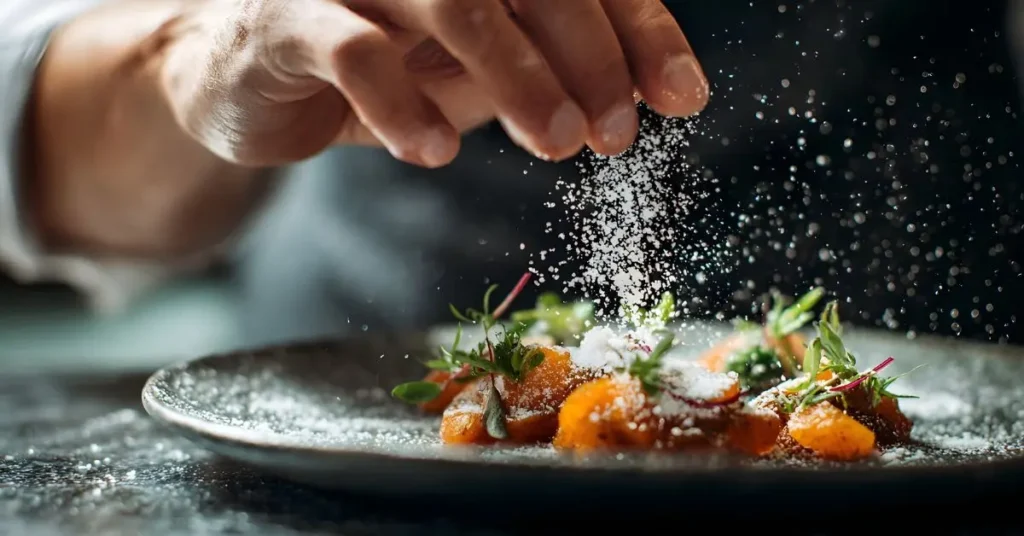
You don’t need a long list of seasonings to make a dish taste amazing. Most simple meals just need a few key touches to make the flavors pop, and salt is usually the first one to pay attention to. Sure, some recipes call for a variety of spices, but for everyday cooking, knowing how to use just a few ingredients wisely can make all the difference.
Why Seasoning Mistakes Happen
Oversalting or overpowering a dish is one of the most common mistakes in the kitchen. Most often, it happens because we’re not aware of what’s already in the dish or how flavors build as we cook.
► Not Tasting as You Go – It’s easy to assume a pinch won’t hurt, but without tasting at each step, you can’t know when it’s just right. I always taste after adding each major ingredient to keep flavors balanced.
► Layering Without Awareness – Ingredients like bacon, smoked meats, or broths already carry salt. Adding more on top can quickly push a dish over the edge. Knowing what’s in each component prevents surprises.
► Not Knowing Your Ingredients – Different brands or types of broths, cheeses, and smoked meats vary in salt and flavor intensity. Stick with what you know, or taste before you add more seasoning.
► Relying on Guesswork – Eyeballing seasonings can lead to inconsistent results. In Southern cooking, flavors can flip on a dime, so paying attention to timing and amounts keeps your dishes on track.
Why Seasoning Mistakes Happen
Oversalting or overpowering a dish is one of the most common mistakes in the kitchen. Most often, it happens because we’re not aware of what’s already in the dish or how flavors build as we cook.
► Not Tasting as You Go - It’s easy to assume a pinch won’t hurt, but without tasting at each step, you can’t know when it’s just right. I always taste after adding each major ingredient to keep flavors balanced. ► Layering Without Awareness - Ingredients like bacon, smoked meats, or broths already carry salt. Adding more on top can quickly push a dish over the edge. Knowing what’s in each component prevents surprises. ► Not Knowing Your Ingredients - Different brands or types of broths, cheeses, and smoked meats vary in salt and flavor intensity. Stick with what you know, or taste before you add more seasoning. ► Relying on Guesswork - Eyeballing seasonings can lead to inconsistent results. In Southern cooking, flavors can flip on a dime, so paying attention to timing and amounts keeps your dishes on track.The Simple Fix
The key to seasoning without overdoing it is tasting, layering, and knowing your ingredients. Salt is important, but it’s just one piece of the puzzle. Here’s how I handle it in my kitchen.
► Taste as You Go - Always taste your dish at each step. This is the easiest way to prevent oversalting and keep flavors balanced, especially when working with broths, smoked meats, or bacon.
► Layer Flavors - Add seasonings gradually. Start with herbs, spices, or a little acid like lemon juice or vinegar. Salt comes in next, but only in small increments. This way each flavor has its moment without overwhelming the dish.
Quick Tip: Fresh Spices Matter
Sometimes overseasoning isn’t about adding too much, it’s about your spices not being fresh. Older spices lose their punch, so you may keep adding more just to chase flavor. A quick sniff or a taste test can save you from overdoing it.
For my favorite tips on keeping spices fresh and getting the most flavor from your pantry, check out my guide: Easy Spice Tips for Cooking.
► Know Your Ingredients - Stick with brands and ingredients you trust. Some smoked meats, cheeses, or broths are saltier than others. If you’re unsure, taste first and adjust slowly.
► Adjust at the End - A squeeze of lemon, a splash of vinegar, or even a bit of unsalted butter can balance flavors if something feels too strong. It’s an easy fix without starting over.
Bonus Hack
Even the most careful cooks overdo it sometimes. Here’s what I do when a dish needs a quick fix—it usually saves the day without starting over.
★ Stretch It Out - Toss in cooked rice, potatoes, or extra veggies. They soak up some salt and give the dish a little extra volume. Works like magic in soups, stews, or saucy skillet meals.
★ Brighten Things Up - A squeeze of lemon or splash of vinegar can take the edge off salt and lift the flavors. I use this trick all the time with Southern-style braises or skillet veggies.
★ Mellow with Dairy - Stir in a little unsalted butter, cream, or milk. It smooths strong flavors and makes sauces feel richer without adding more salt.
Frequently Asked Questions About Seasoning Food
Here are some common questions and tips to help you season food without overdoing it.
Q: How can I season food without making it too salty?
A: Taste as you go, layer flavors, and add salt gradually. Small adjustments are easier than trying to fix an oversalted dish later.
Q: Why does my food taste bland even after I season it?
A: Stale spices or low-quality ingredients can make food taste flat. Fresh spices, proper cooking techniques, and layering flavors are key.
Q: Should I season at the beginning or end of cooking?
A: Layer your seasonings. Start with a little early, then adjust toward the end. Finishing touches like acid or fresh herbs go in at the very end.
Q: What’s the best way to balance flavors in a dish?
A: Think in terms of salt, acid, fat, and heat. If one flavor is too strong, adjust with another—lemon brightens salty dishes, unsalted butter mellows them.
Q: How do I know if my spices are still good?
A: Smell and taste them. Spices lose aroma and potency over time, which can lead to overseasoning. Store in airtight containers away from heat and light.
Q: Can I fix a dish that’s already too salty?
A: Yes! Add neutral ingredients like potatoes, rice, or extra vegetables, or balance with a splash of acid or unsalted dairy.
Seasoning food doesn’t have to be complicated. The trick is simple: taste as you go, layer flavors, and pay attention to your ingredients. A pinch of salt, a squeeze of lemon, or a handful of fresh herbs can make a dish pop without overpowering it.
These tips have saved me countless meals in my Southern kitchen, from skillet vegetables to soups and braises. Once you start paying attention to how flavors build, you’ll notice your dishes tasting brighter, more balanced, and exactly how you want them.
Try these tips in your next meal and see the difference for yourself. And if you have a favorite seasoning trick, I’d love to hear it, a comment and share your kitchen secret!
