
How Do I Cook Frozen Vegetables Without Them Turning Mushy?
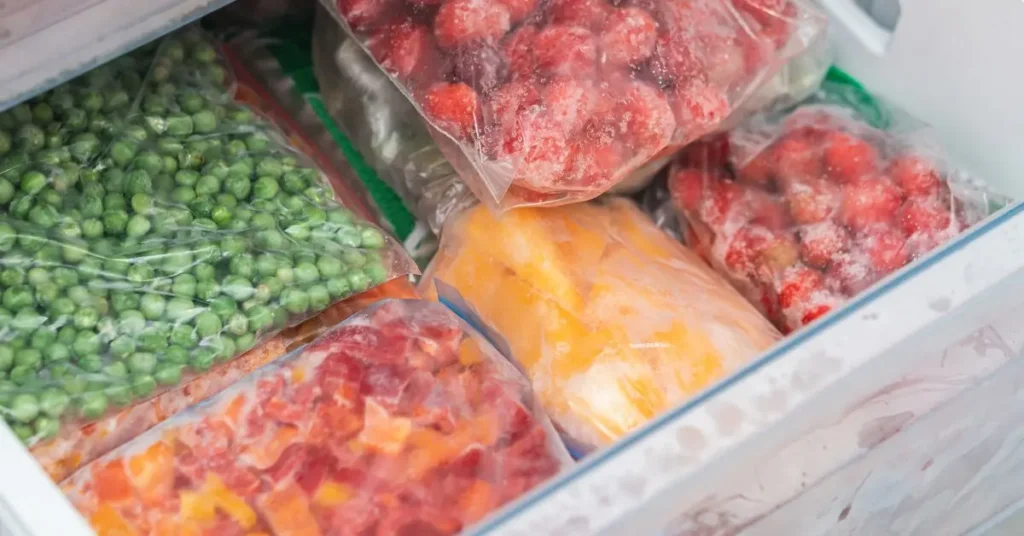
Frozen vegetables can go from convenient to disappointing real fast. I’ve pulled a pan off the stove more than once thinking, well… that could have been better.
Broccoli and cauliflower are the biggest offenders in my kitchen. One minute they look fine, and the next they’re soft and watery with that dull color nobody gets excited about.
If yours always end up mushy, here’s what’s probably happening.
Why Your Frozen Vegetables Turn Mushy
Frozen vegetables are packed with extra moisture. They’re blanched before freezing, which means they’re already partially cooked. So when you toss them straight into a pan and cook them like fresh vegetables, they go from done to overdone quickly.
That extra water releases as they heat up. If the heat isn’t controlled, they basically steam in their own liquid and soften too much before you realize it.
It’s not that frozen vegetables are bad. In fact, they’re frozen at peak freshness, they’re less processed than canned, and I think they taste better. But that water content will change the texture if you’re not paying attention.
The Simple Fix
The key is controlling moisture and heat. Frozen vegetables need a slightly different approach than fresh ones. Here’s what works best in my kitchen.
► Steam Instead of Boiling – This is the most foolproof method in my kitchen. Bring a small amount of water to a simmer and season it. Place your vegetables in a steamer basket above the water so they don’t actually touch it. Cover and steam just until tender. Because they aren’t sitting in water, they hold their texture much better.
► Use Just a Little Water in a Skillet – If I’m using a skillet, I add just a little bit of water. And I mean little. Salt it, bring it to a boil, then add the frozen vegetables. Stir, cover for a few minutes, and watch closely. When they’re almost done, turn off the heat but leave the lid on. The residual heat finishes the cooking gently instead of pushing them too far.
► Add to Stir Fries at the End – If you’re making a stir fry or mixed skillet meal, don’t toss frozen vegetables straight into the pan with everything else. That extra moisture can water down the dish and soften everything. Steam them separately first, then fold them in during the last minute or two of cooking. You’re just heating them through and coating them with sauce, not cooking them all over again.
► Watch the Timing – Even with these methods, frozen broccoli and cauliflower can overcook quickly. Set a timer if you need to. It’s easier to check early than to fix them later.
What I Personally Do
In my kitchen, I almost always steam frozen broccoli and cauliflower if they’re going into another recipe. It keeps the texture steady and I don’t have to worry about them watering down the dish.
Sometimes I pop them in my cooker on the steam cycle too. It works, but you have to watch it because it can over-steam fast, lol, I’ve learned that the hard way more than once.
If they’re just a side, I use the skillet method with barely any water and turn off the heat early. I’d rather check them twice than overcook them once.
If You Already Overcooked Them
If they turned out softer than you wanted, don’t throw them out.
Spread them on a sheet pan and roast at 425°F for about 8 to 10 minutes. That high heat helps dry them out and bring back a little texture.
Frequently Asked Questions About Frozen Vegetables
Here are some common questions and tips for keeping frozen vegetables tender, flavorful, and not mushy.
Q: Do I need to thaw frozen vegetables before cooking?
A: Most of the time, no. Cooking them straight from frozen helps retain texture and color. Only thaw if a recipe specifically calls for it.
Q: Can I microwave frozen vegetables instead?
A: Yes! Use a microwave-safe dish with a lid and a splash of water. Microwave in short intervals, stirring in between, to avoid soggy veggies.
Q: How long should I steam or cook frozen broccoli or cauliflower?
A: Usually 4–6 minutes is plenty for florets. Keep an eye on them—they can overcook quickly, especially smaller pieces.
Q: Can I add frozen vegetables directly to stir fries or skillet meals?
A: It’s best to steam them first and add them in the last minute or two. This keeps the texture firm and prevents extra water from watering down your dish.
Q: What if my vegetables end up too soft?
A: Don’t toss them! Spread them on a sheet pan and roast at 425°F for 8–10 minutes to bring back some texture.
💛 Frozen vegetables don’t have to be mushy or boring! A little attention to moisture and timing makes all the difference. Steam, lightly cook, or try one of my favorite recipes below and see how much better they can taste:
- Creamy Smoked Turkey Collard Soup – perfect for frozen collards.
- Southern-Style Green Beans – a great way to use frozen green beans without losing texture.
Try these next time in your kitchen and see for yourself. Happy cooking!
