
What Is Coriander Spice? Flavor, Uses, and Pantry Tips
How I Discovered Coriander Spice
Coriander spice is a fairly new addition to my kitchen, at least within the last five or six years. It wasn’t a spice I grew up using or even knew much about until I started experimenting with cooking Indian food at home. Like a lot of folks, I was trying to cut costs, so instead of ordering out, I figured I’d learn how to make a few of my favorite dishes myself.
Since then, I’ve learned so much about the flavor of coriander and just how many different types of dishes it works well with. It’s one of those spices that quietly adds warmth and depth without overpowering anything. If you’re like I was and completely clueless about this spice, stick around. I’ll share what I’ve learned and why coriander spice might just earn a regular spot in your pantry rotation.
Where Coriander Comes From
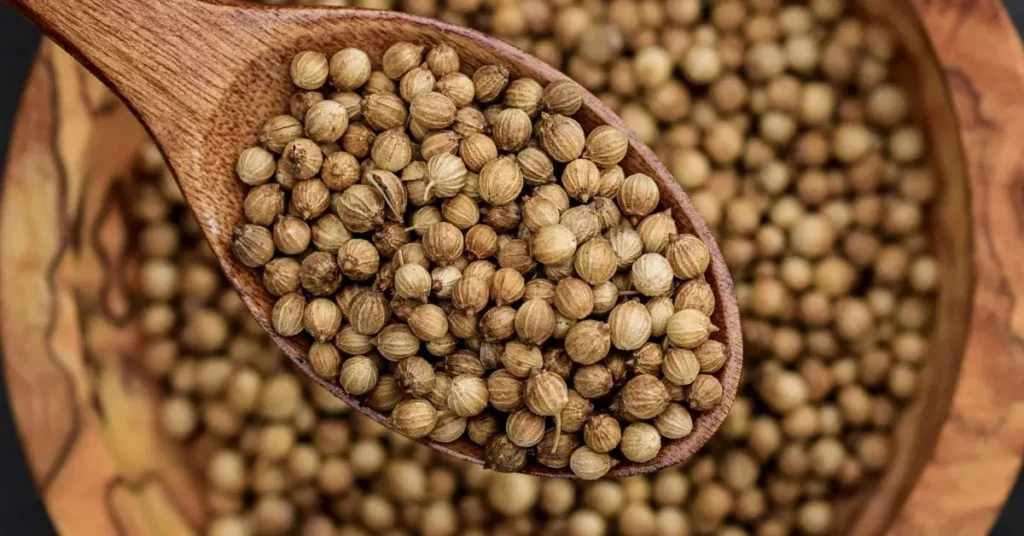
Coriander comes from the seeds of the cilantro plant, which is native to parts of the Mediterranean and Southwest Asia. While cilantro leaves are often used fresh, coriander refers to the dried seeds of the plant.
These seeds have been used for centuries in cooking around the world, especially in Indian, Middle Eastern, and Mediterranean cuisines, like gyros. Over time, coriander made its way into many traditional spice blends and everyday dishes because of its mild, warming flavor.
Today, coriander spice is used globally and has become a pantry staple in kitchens that value flavor without heat.
What Does Coriander Taste Like?
Coriander has a warm, mild flavor that’s often described as slightly citrusy with a hint of sweetness. It doesn’t bring heat or spice, which makes it easy to use without worrying about overpowering a dish.
- The flavor is soft and rounded, not sharp or bitter.
- Many people notice subtle notes of orange peel or lemon.
- It adds warmth rather than heat.
- Coriander blends well with garlic, onion, black pepper, and other everyday spices.
- When used in small amounts, it quietly enhances flavor instead of standing out.
Whole vs. Ground Coriander
When you pick up coriander, you’ll usually see it in two forms: whole seeds or ground powder. Both come from the same plant, but the way you use them changes the flavor.
-
Whole seeds: Crunchy, aromatic, and slightly more intense. You can toast them lightly to bring out even more warmth before grinding or adding to a dish. They hold their flavor longer than ground coriander.
-
Ground coriander: Convenient and easy to sprinkle into recipes. The flavor is softer and blends quickly, but it loses its potency faster than whole seeds.
A simple tip: if you want maximum flavor, buy whole seeds and grind them as you need. It’s a small step that really makes a difference in your dishes.
Coriander Flavor Profile
-
Warm – Adds a cozy, comforting note that rounds out flavors in a dish. It’s earthy and slightly nutty, giving depth without heat.
-
Citrusy – Has a subtle bright, lemony undertone that lifts other ingredients and keeps dishes from tasting heavy.
-
Earthy – Reminds you of lightly roasted seeds or nuts, grounding the flavor of vegetables, meats, and stews.
-
Slightly Sweet – A soft, gentle sweetness that pairs well with other spices like cinnamon, nutmeg, and cloves.
-
Nutty – Hints of toasted nuts appear especially when seeds are lightly roasted, adding richness to the dish.
How Coriander Is Commonly Used
Coriander is one of those spices that quietly elevates almost any dish without overpowering it. Its warm, slightly citrusy flavor blends easily into everyday comfort foods as well as more adventurous recipes.
In Spice Blends
Coriander shines in spice blends. It’s a key player in curry powders, garam masala, and BBQ rubs. Try adding it to a homemade garam masala chicken or a smoky BBQ pork rub — it adds subtle warmth that makes every bite more satisfying.
With Meats and Poultry
Coriander adds depth without heat. Sprinkle ground coriander into a roast chicken with garlic and lemon or a slow-cooked beef stew, and you’ll notice the flavor rounds out beautifully. It’s especially nice with pork and lamb dishes.
In Soups and Sauces
A pinch of coriander transforms a vegetable lentil soup or a tomato-based curry sauce, giving the dish complexity while keeping it approachable.
In Baking
Coriander’s citrusy notes pair beautifully with cinnamon and nutmeg in spice cakes, gingerbread, or lightly sweet quick breads. It adds warmth and balance without making the dish taste “spicy.”
In International-Inspired Dishes
From chili-lime roasted chickpeas to Indian butter chicken and Mediterranean chickpea stews, coriander quietly ties all the flavors together, letting each ingredient shine.
Once you start using coriander, you’ll notice why it’s so versatile. It adds a soft, balanced background flavor that makes dishes taste more complete and keeps it a spice you’ll reach for again and again.
Down-Home Foods That Pair Well With Coriander
Meats & Poultry
-
Roast chicken with garlic and lemon – ground coriander adds warmth without overpowering the natural flavor.
-
Braised pork shoulder or pork chops – works beautifully in a dry rub or stewed with onions and root vegetables.
-
Slow-cooked beef stew – adds depth and a subtle citrus undertone to the rich broth.
-
Pan-seared catfish or baked fish fillets – a little coriander in the seasoning rounds out the flavors.
Vegetables & Sides
-
Roasted sweet potatoes or carrots – sprinkle ground coriander before roasting for a slightly citrusy warmth.
-
Collard greens or braised cabbage – a hint of coriander complements the smokiness and bitterness.
-
Cornbread – add a pinch to the batter for a subtle, unexpected flavor boost.
Soups & Beans
-
Black-eyed peas – traditional Southern comfort beans get a mild lift from coriander.
-
Lentil soup or split pea soup – adds warmth without making it “spicy.”
-
Tomato-based vegetable soups – coriander brings a gentle depth to the base flavor.
Baking & Sweet Touches
-
Spice cake or gingerbread – coriander pairs beautifully with cinnamon, nutmeg, and cloves.
-
Quick breads with pears or apples – enhances the fruit’s natural sweetness.
Coriander vs Cilantro
One of the most common questions I hear is, “Wait, is coriander the same as cilantro?” The answer is yes and no, they come from the same plant, but very different parts are used in the kitchen.
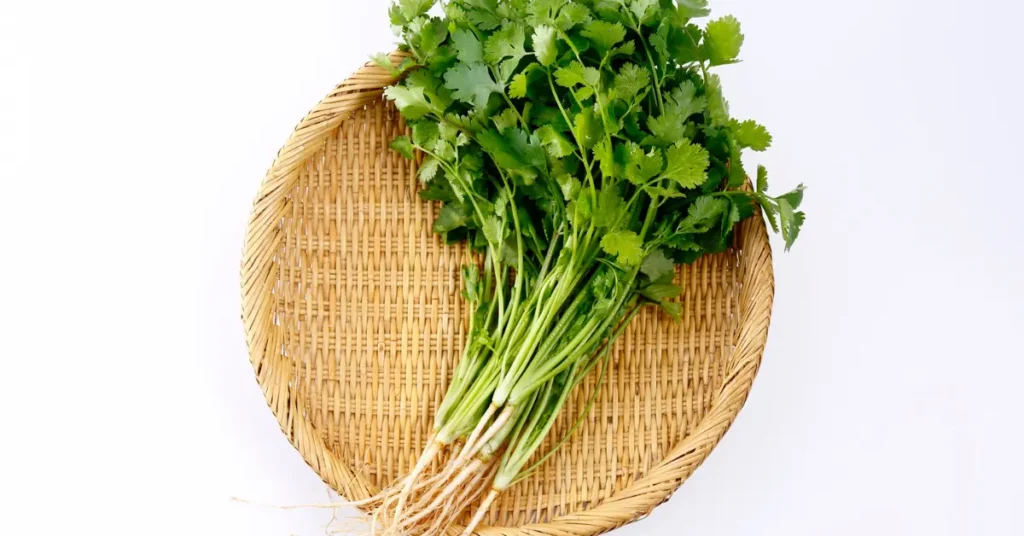
Cilantro refers to the fresh leaves and stems. It is bright, citrusy, and often used raw in salads, salsas, or as a garnish. Some people love it, some people find it soapy. It definitely has a distinct personality.
Coriander is the dried seed that forms after the cilantro plant flowers. Once the plant goes to seed, the tiny round seeds are harvested and dried. These seeds have a warm, slightly citrusy flavor, completely different from the fresh leaves, and are usually added to cooking to build flavor without heat.
A simple way to remember it is cilantro is the fresh leafy part, coriander is the dried seed. Both are versatile, but they play very different roles in the kitchen. Having both on hand is great, cilantro for that fresh, green pop, and coriander for warmth and depth in cooked dishes.
FAQ About Coriander
How should I store coriander to keep it fresh?
Store whole coriander seeds in an airtight container in a cool, dark place. Ground coriander loses flavor faster, so it’s best to use it within a few months for maximum aroma.
Can coriander go bad, and how can I tell?
Yes, coriander can lose its potency over time. Whole seeds may stay good for a year or more, but ground coriander can lose flavor in just a few months. If it smells weak or musty, it’s time to replace it.
Is coriander spicy or hot?
Not at all. Coriander is warm and slightly citrusy but not spicy like chili peppers. It adds depth and flavor without heat.
Can I use coriander in sweet recipes?
Absolutely. Coriander pairs beautifully with cinnamon, nutmeg, and cloves in cakes, gingerbread, quick breads, and even some fruit-based desserts. It adds warmth and subtle complexity.
Does coriander have any health benefits?
Coriander has been used traditionally for digestion and contains antioxidants, vitamins, and minerals. While it’s not a cure-all, it can be a flavorful addition to a healthy diet.
Is coriander gluten-free and safe for most diets?
Yes, coriander is naturally gluten-free and suitable for most diets, including vegetarian, vegan, and paleo. It’s a safe spice for almost any kitchen.
Coriander Tips for Every Kitchen”
Coriander is one of those spices that quietly makes every dish taste a little more complete. From spice blends and soups to roasted meats, vegetables, and even baked goods, it brings warmth, subtle citrus notes, and depth without overpowering. If you are just getting started, try it in some of your favorite down-home dishes like roast chicken, slow-cooked beef stew, or sweet potato side dishes and see how it changes the flavor. And if you grow cilantro at home, let a few plants go to seed and you will have your very own coriander ready to grind, which will save you money too. With a few simple tips, coriander can become a kitchen staple that adds warmth and depth to nearly every dish you cook.
