
Simple Chicken Broth Recipe: A Cozy Homemade Classic
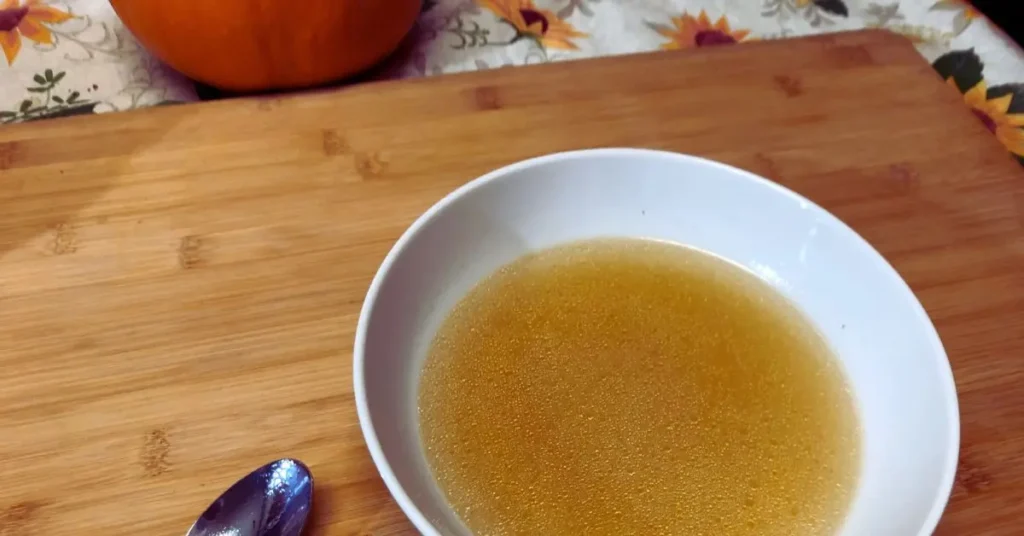
Simple Chicken Broth Recipe: A Cozy Homemade Classic
Growing up, when we wanted chicken broth, there were only a few choices. You either made your own as part of another recipe, like my chicken and dumplings, or you used bouillon cubes. On rare occasions, we could afford to buy canned broth, but most of the time, you needed more than one little can to get the job done. Today, we’re going to make a simple, budget-friendly chicken broth that’s full of flavor and made your way. Keep reading because I’m sharing all my favorite tips and little secrets for getting the best homemade taste every time.
Why Make Your Own Chicken Broth
One of the best things about homemade chicken broth is that you can adjust the flavor exactly how you like it. You control the seasoning, the richness, and even the aroma that fills your kitchen. It also saves money, which is always a bonus. Later in the post, I’ll share some cost-effective ways to make your broth stretch even further without sacrificing flavor.
Simple Chicken Broth Base Ingredients
This is the base for your homemade chicken broth. You can make it exactly as listed here, or later I’ll show you variations to add extra flavor and stretch your broth even further.
-
•
1 whole chicken (roasted or unroasted)
The star of your broth providing richness and body. No alternative here — it’s the base!
-
•
1 bay leaf
Adds a subtle earthy and herbal note. If you don’t have one, a pinch of dried thyme can work instead.
-
•
1 medium onion, quartered (no need to peel)
Gives a gentle sweetness and depth to the broth. Yellow, white, or even sweet onions work fine.
-
•
2 garlic cloves, smashed (no need to peel)
Adds warmth and a subtle savory aroma. You can add more or less depending on your taste.
-
•
1 carrot, roughly chopped
Brings a natural sweetness and body to the broth. Parsnip or sweet potato can be used for a slightly different flavor.
-
•
1 stalk of celery, roughly chopped
Adds an aromatic, slightly bitter note that balances the sweetness. Fennel stalks can be a creative alternative.
-
•
3 peppercorns
Adds gentle spice and warmth. Black, white, or mixed peppercorns all work nicely.
-
•
1 tsp salt (adjust to taste)
Enhances all the flavors. You can start with less and adjust after simmering the broth.
-
•
Water (enough to cover chicken and veggies by about 2 inches)
The medium for all the flavors. Using filtered or spring water gives a cleaner taste.
-
•
1/2 tsp Herbes de Provence
A fragrant mix of herbs that adds a gentle floral note. Thyme, rosemary, or oregano can be used if you prefer.
-
•
1 sprig fresh thyme (or about 1/4 tsp dried thyme)
Adds a gentle, savory note that pairs beautifully with chicken. Rosemary or sage can be swapped in for a slightly different flavor.
For roasting the chicken before making the broth, you can use 1 tsp garlic powder, 1 tsp onion powder, 1/2 tsp paprika, and 1/2 tsp salt to rub on the chicken. This step is optional but adds extra depth of flavor to your broth base.
What’s Typical in Chicken Broth
Most people who make chicken broth regularly do not buy fresh ingredients every time. Instead, they save scraps such as onion ends, carrot peels, celery leaves, and other vegetable bits and freeze them until they have enough for a batch. You can do the same. You do not even need a fresh chicken every time. Using leftover bones, roasted chicken parts, or pieces you have saved from previous meals works perfectly. This method makes homemade chicken broth budget-friendly, sustainable, and still full of rich, comforting flavor.
Saving Chicken for Broth
When it comes to chicken, you do not need to use a whole fresh bird every time. Saving bones is a wonderful way to make homemade broth, especially the ones you might normally throw away. This includes extra skin trimmings, parts you removed while preparing a meal, or leftover bones from a roasted chicken. If there is a little meat still attached, even better. You can also use any raw chicken fat to add richness and flavor. Collecting these bits in the freezer over time gives you a simple, budget-friendly way to have flavorful chicken broth whenever you need it.
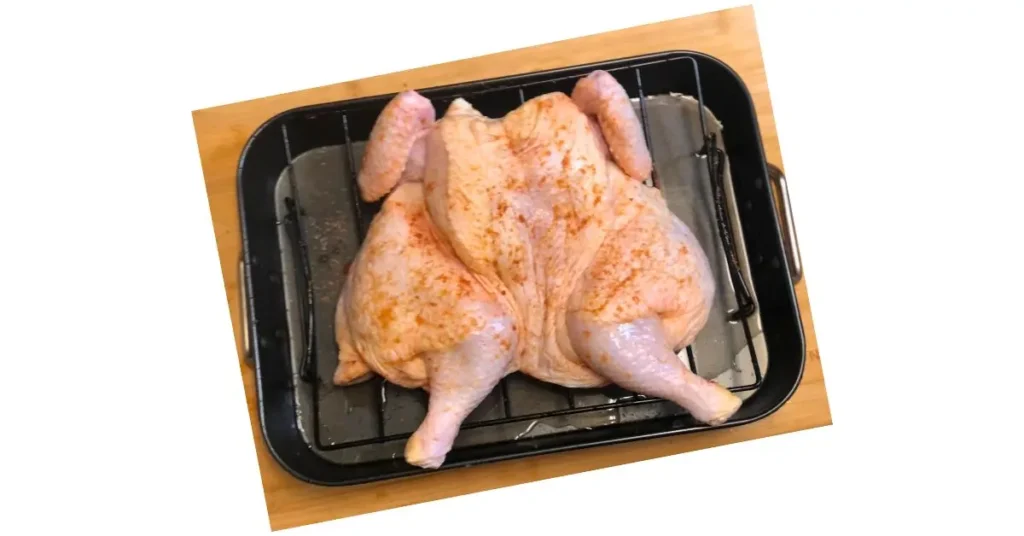
Roasting Chicken or Not
For this recipe, I like to roast the chicken first for a little extra flavor, but you can totally skip that step. Both methods will give you a tasty broth, but roasting changes the flavor profile in a few key ways:
-
Roasted Chicken:
-
Imparts a deeper, richer flavor with subtle caramelized notes.
-
Adds a slightly golden color to the broth.
-
Gives the broth a more pronounced savory aroma that fills the kitchen.
-
-
Unroasted Chicken:
-
Produces a lighter, cleaner chicken flavor.
-
Keeps the broth more neutral, which is perfect if you want it to shine in recipes.
-
Saves time and makes the process simpler without sacrificing taste.
-
Adding Vegetables
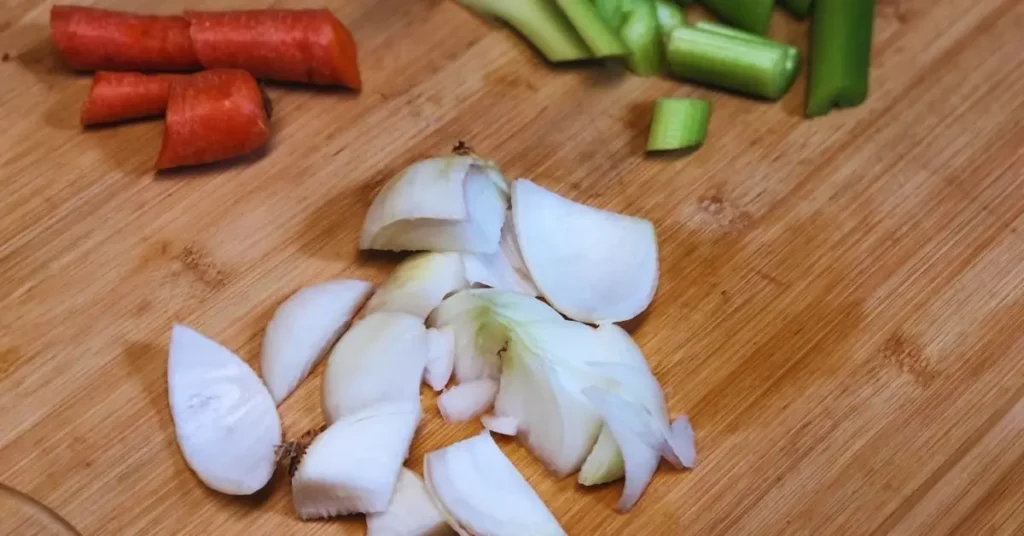
Adding vegetables to your chicken broth is completely optional. If you want a broth that highlights the chicken flavor, you can skip them entirely. For my own broth, I like to add a small amount of vegetables that I commonly use in my cooking, such as onion, carrot, and celery. I do not add too much because I want the chicken to be the star of the show. Of course, you can adjust this to your taste. A few vegetables can add a subtle sweetness and aroma without overpowering the natural flavor of the chicken.
Adding Herbs
I like to add just a little bit of herbs to my chicken broth, mostly dry, because that is what I usually have on hand. You can use fresh if you prefer, but dried herbs work beautifully and are convenient. Common herbs for broth include thyme, parsley, and bay leaf, but you can leave them out entirely if you do not have them. You can also use a cheesecloth to hold the herbs and easily remove them when the broth is done, but I am fine with just straining everything, so that is what I usually do. Herbs add a gentle aroma and subtle flavor, enhancing the broth without taking away from the star ingredient , the chicken.
Seasoning and Salt
Seasoning your broth is simple. I usually start with just a little salt and adjust it at the end after the broth has simmered. This allows you to control the flavor without overdoing it. You do not need a lot of additional seasonings, the chicken and optional herbs already provide plenty of flavor. A few peppercorns can add a gentle warmth, but that is completely optional. Keeping the seasoning simple allows the natural taste of the chicken to shine through while giving you the flexibility to use the broth in any recipe later.
How to Simmer Your Chicken Broth
Start by bringing your chicken, bones, vegetables, and herbs to a gentle boil over medium-high heat. Once it reaches a boil, reduce the heat to low so it simmers slowly. A gentle simmer is key to keeping the broth clear and flavorful.
Here are a few tips to get the most out of your broth:
-
Remove meat if desired: If you are using a chicken with lots of meat and plan to use it for another recipe, carefully remove and debone it once cooked. Then return the bones and skin to the pot to continue simmering.
-
Skim the foam and scum: As the broth simmers, you may see foam or scum rise to the top. Skimming it off helps keep your broth clear and removes impurities that can make it taste bitter or cloudy.
-
Keep it low and slow: A slow simmer extracts maximum flavor without clouding the broth.
-
Timing matters: Simmer for about 1 1/2 to 2 hours. If you are using leftover bones, you can continue simmering for an extra 30–60 minutes for added richness.
-
Concentrating the broth: If you want a richer, more intense flavor, you can continue simmering uncovered to reduce and concentrate the broth.
-
Taste as you go: Check for salt and seasoning near the end and adjust as needed.
This method ensures a rich, flavorful broth that highlights the chicken while staying light and versatile.
How to Strain Your Chicken Broth
Once your broth has finished simmering, it’s time to strain out the solids. This helps create a smooth, clear liquid that is perfect for soups, sauces, or any recipe that calls for chicken broth.
Here’s how I like to do it:
-
Use a fine-mesh strainer: Place a strainer over a large bowl or pot and carefully pour the broth through. This will catch all bones, vegetables, and herbs.
-
Optional cheesecloth: If you want an extra-clear broth, line your strainer with cheesecloth before pouring.
-
Remove solids safely: Be careful when handling hot liquid and solids to avoid burns.
-
Save the meat and vegetables: Any meat you removed earlier can be used in other recipes. Vegetables and bones can be discarded or composted.
Straining your broth gives you a clean, versatile base that can be used immediately or stored for later. It’s an easy step that makes a big difference in the finished product.
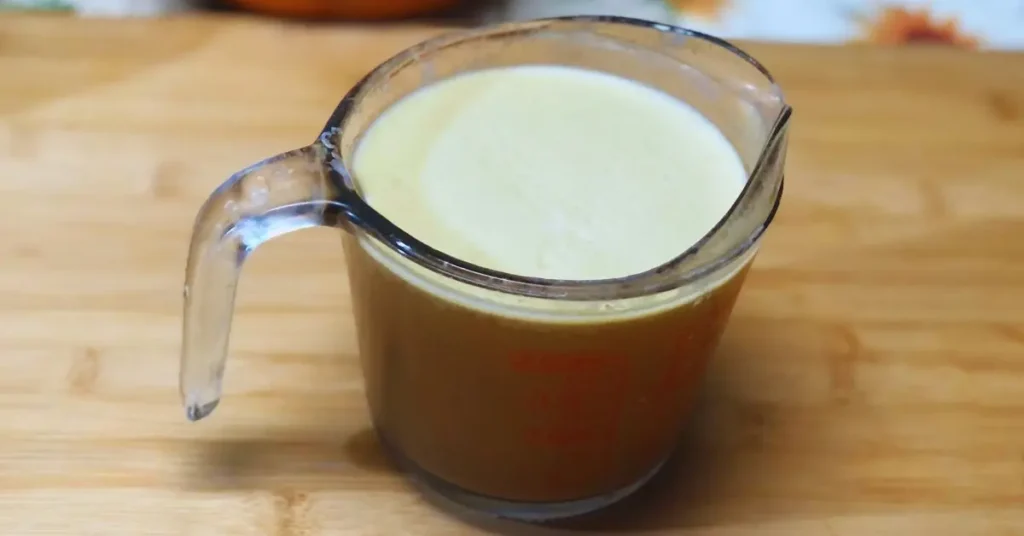
How Do You Store Homemade Chicken Broth?
Once your broth has simmered to perfection, let it cool slightly before handling. Pour it into airtight containers or jars, leaving a little space at the top for expansion if you plan to freeze it. Refrigerate your broth for up to five days. Keeping it chilled allows you to use it for soups, sauces, or any recipe that calls for chicken broth without worrying about it going bad.
Can You Freeze Chicken Broth?
Yes! Freezing chicken broth is an excellent way to have homemade broth ready whenever you need it. Use freezer-safe containers or heavy-duty freezer bags. For convenience, you can portion the broth into smaller amounts so you can defrost only what you need. Frozen broth can last for up to six months, making it a perfect way to save time, reduce waste, and always have flavorful broth on hand.
Tips for Freezing and Storing
-
Label your containers with the date so you know how long they have been in the freezer.
-
Cool the broth completely before freezing to maintain the best flavor and texture.
-
Leave space in jars or containers to allow the liquid to expand as it freezes.
-
Portion for convenience using ice cube trays or smaller containers for recipes that need just a little
Simple Chicken Broth
Ingredients
- 1 whole chicken roasted or unroasted
- 1 bay leaf
- 1 medium onion quartered (no need to peel)
- 2 garlic cloves smashed (no need to peel)
- 1 carrot roughly chopped
- 1 stalk of celery roughly chopped
- 3 peppercorns
- 1 tsp salt adjust to taste
- Water enough to cover the chicken and veggies by about 2 inches
- ½ tsp Herbes de Provence just enough to give a hint
- 1 sprig of fresh thyme or about 1/4 tsp dried thyme
- For Roasting the Chicken:
- 1 tsp garlic powder
- 1 tsp onion powder
- ½ tsp paprika
- ½ tsp salt to rub on the chicken
Instructions
- Preheat the oven to 400°F.
- Rub the whole chicken with olive oil, then season generously with garlic powder, onion powder, paprika, and salt.
- Roast for 20–30 minutes, until the skin is golden brown and crispy.
- In a large stock pot, add the roasted chicken, bay leaf, onion, 2 garlic cloves, carrot, celery, and 1/2 tsp Herbes de Provence or thyme.
- Add 1 sprig of fresh thyme (or 1/4 tsp dried thyme).
- Cover everything with cold water (enough to submerge everything by about 2 inches).
- Let the mixture sit for 20–30 minutes before turning on the heat, allowing the herbs and veggies to start infusing.
- Slowly bring the pot to a boil over medium-high heat, then reduce to low and simmer for 1 to 1.5 hours.
- Skim off any foam or impurities during the first 30 minutes to keep the broth clear.
- After simmering for 1 to 1.5 hours, carefully remove the chicken from the pot and place it on a cutting board.
- Let it cool slightly so you can handle it.
- Once cool enough, debone the chicken and set the meat aside for later use (you can shred it for soups, sandwiches, or store it for another meal).
- Discard the skin and bones that you don’t want to reuse.
- Return the Bones to the Pot:
- Add the bones back into the pot and peppercorns. The bones will continue to infuse the broth with their richness and collagen for the remaining simmering time.
- Keep the broth simmering for an additional 5 to 6 hours, adding a little water as necessary to maintain the level of liquid.
- Skim periodically if needed to keep the broth clear. (optional)
- After simmering for a couple of hours, taste the broth and add 1 tsp salt (or more, depending on taste). Adjust seasoning as you go.
- Once the broth is done, remove the bones and strain the broth through a fine mesh strainer to remove any solids.
- Taste again and adjust salt if needed.
Notes
-
You do not need a whole chicken to make flavorful chicken broth.
This recipe works just as well with chicken bones, skin, backs, necks, or wings. Save scraps in a freezer bag and use them when you’re ready to make broth. -
Fresh vegetables are not required.
Chicken broth is a great way to use vegetable scraps. Save and freeze onion ends and skins, carrot peels and tips, and celery tops instead of throwing them away. -
Roasted scraps add deeper flavor.
Bones and skin from roasted chicken will give the broth a richer, more developed taste, but raw scraps work perfectly too. -
This is a flexible, forgiving recipe.
Broth doesn’t need exact measurements. Use what you have and keep the vegetables minimal so the chicken flavor stays front and center.
Variations and Tips for Your Chicken Broth
Your simple chicken broth is a versatile base that you can tweak in a few easy ways depending on your taste or what you have on hand. Here are some tips and variations to try:
-
Focus on chicken flavor: If you want the chicken to shine, use minimal vegetables. Onion, carrot, and celery are great, but keep them light.
-
Add herbs: A small amount of dried thyme, parsley, or bay leaf adds gentle aroma. You can strain them out or use a cheesecloth bundle for easy removal. Herbs are optional and should not overpower the chicken.
-
Use leftover bones: Bones from a roasted chicken, or extra skin and trimmings, work beautifully. Even a little meat left on the bones adds extra richness.
-
Fat considerations: As the broth cools, chicken fat rises to the top. You can skim it off for a leaner broth or leave some for added richness. A thin layer of fat also helps preserve the broth in the fridge. The skimmed chicken fat is perfect for making chicken gravy — it adds wonderful flavor.
-
Concentrate for more flavor: If you want a richer broth, continue simmering uncovered to reduce and concentrate the flavors.
-
Flavor adjustments: A few peppercorns or a pinch of salt toward the end can adjust the taste without overpowering the natural chicken flavor.
-
Optional vegetables: Feel free to add extra vegetables for sweetness or aroma, but remember that too many can mask the chicken.
-
Freezing tips: Portion your broth into smaller containers or ice cube trays for easy use in recipes. Label and date your containers to keep track.
These tips make your homemade chicken broth flexible, flavorful, and perfect for any recipe. Whether you want it light and clear, rich and savory, or somewhere in between, this base allows you to customize it exactly how you like.
Make Chicken Broth Your Way
A great deal of my recipes start with chicken broth and I have to admit I still reach for bouillon cubes in a pinch. But making your own broth means you can use scraps you might otherwise throw away, turning them into something delicious, comforting, and budget friendly. You do not have to worry about commercial additives or preservatives. Your broth is fresh, flavorful, and completely your own. You can make it your way: broth or stock, dark meat, light meat, just bones, or the whole chicken with bones. Oh, and do not forget those turkey parts and bones. Yummy turkey broth or stock as well. As they say, using them from the rooter to the tooter. The choice is yours and the results are always satisfying. Homemade broth is easy, economical, versatile, and a staple you will come back to again and again.
Thanks for hanging out! Just a quick heads-up: Some of the links in this post are affiliate links. If you decide to make a purchase through them, I may earn a small commission at no extra cost to you. Your support helps keep things rolling around here!

Hey, if you tried this recipe, leave a comment below and let me know what you think! A quick rating helps others out too, and if you added your own twist, let’s talk about it!